
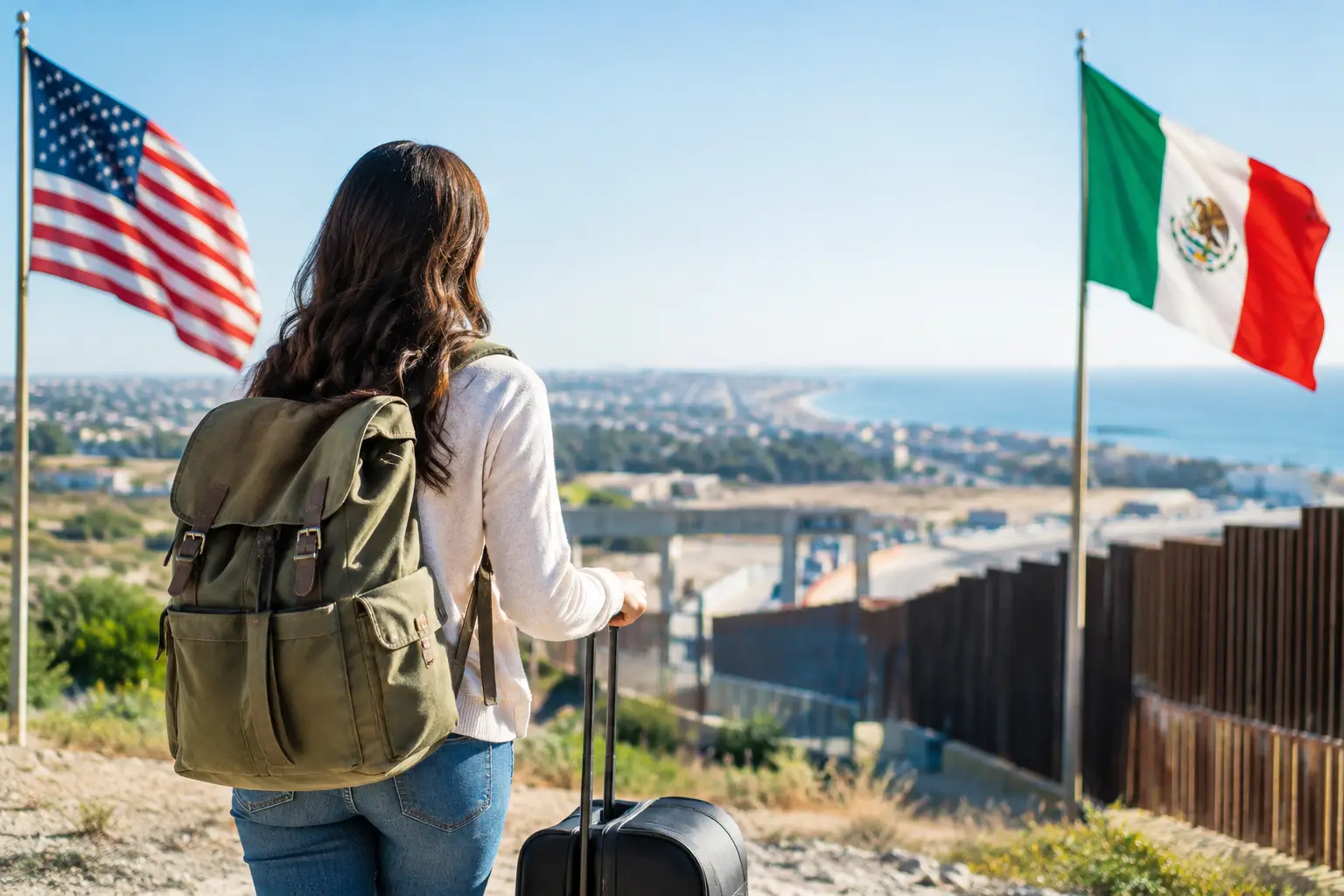
A move to Mexico rarely begins with a moving truck. It begins with a decision: you want more time, a different pace, lower costs, warmer weather, family connection, or the freedom to build a life somewhere that feels more aligned with your priorities. The practical details can feel intimidating, but they become manageable when you handle them in the right order.
If you are researching how to move from the United States to Mexico, start by thinking of it as a transition in phases, not one enormous task. Your immigration status, home base, finances, healthcare, and belongings all connect. A calm plan gives each decision its proper place.
Start With the Life You Want to Build
Mexico is not one experience. Living in Mérida is different from living in Mexico City, Puerto Vallarta, San Miguel de Allende, Oaxaca, or a smaller town near the coast. Climate, transportation, housing costs, English availability, schools, healthcare access, and the local expat community can vary significantly.
Before committing to a location, spend time there as a visitor if you can. Rent for several weeks or months, use local grocery stores, test the internet, visit neighborhoods at different times of day, and imagine an ordinary Tuesday rather than a vacation. The neighborhood you love for a long weekend may not be the one that best supports your daily life.
This is especially true for families, remote professionals, and retirees. A remote worker may prioritize reliable internet and airport connections. A family may need school options and access to pediatric care. Someone retiring may care more about walkability, a support network, and proximity to specialists.
Choose the Right Residency Path
Many people arrive in Mexico as visitors, but visitor status is not the same as permission to live there long term. If Mexico will be your home, explore residency early.
Temporary resident status is often a fit for people planning to stay more than 180 days and up to four years. Permanent resident status may suit retirees, people with qualifying income or savings, close Mexican family ties, or other eligible circumstances. Requirements can change, and Mexican consulates may apply financial thresholds differently, so confirm the current rules with the consulate where you will apply.
In many cases, the process begins at a Mexican consulate in the United States. After approval, you enter Mexico and complete the process with the immigration office there. Timing matters. Do not assume you can arrive as a tourist and easily convert your status from inside Mexico.
Your residency card can make many parts of daily life easier. It may support opening financial accounts, obtaining a CURP identification number, signing certain contracts, registering a vehicle, or accessing other services. The exact requirements depend on the institution and your circumstances.
Bring the Documents That Are Hardest to Replace
Gather key records before you leave the United States, and keep originals and digital copies in separate secure places. Depending on your situation, this can include birth certificates, marriage or divorce records, passports, Social Security documents, school records, medical histories, vaccination records, and proof of income or savings.
Some documents may need an apostille and a certified Spanish translation for official use in Mexico. Do not order paperwork too early without checking validity periods. At the same time, do not wait until the final week. State agencies, courthouses, and federal offices can take time.
Build a Cross-Border Financial Plan
A lower cost of living can be one reason to move, but Mexico is not automatically inexpensive in every city or neighborhood. Popular areas can carry higher rents, imported goods cost more, and setup expenses add up quickly.
Create a moving budget that separates one-time costs from monthly living costs. One-time expenses may include consular fees, flights, temporary lodging, deposits, household shipping, pet travel, legal or relocation help, and furnishing a new home. Your monthly budget should include rent, utilities, internet, groceries, transportation, healthcare, insurance, and a realistic amount for dining, travel, and unexpected needs.
Keep a U.S. bank account and at least one credit card that works internationally. It is also wise to have a cash reserve accessible in more than one way. Mexican banks have their own account-opening policies, and the paperwork can be easier once you have residency and local proof of address.
Taxes deserve early attention, particularly if you work remotely, own a business, receive investment income, or spend most of the year in Mexico. U.S. citizens generally still have U.S. tax filing obligations while abroad. Mexico may consider you a tax resident based on your time in the country and the location of your center of vital interests. A cross-border tax professional can help you understand your obligations before they become a surprise.
Rent Before You Buy
Buying property may eventually be the right decision, but it is rarely the best first move. Renting gives you time to learn the market, understand seasonal conditions, and decide whether a neighborhood works for your routines.
Lease terms and rental practices can differ from what you know in the United States. Some landlords request a fiador, or guarantor, while others accept additional deposits or other arrangements. Have any lease reviewed if the terms are unclear, and make sure you understand what utilities, maintenance, furniture, and internet service are included.
If you later decide to purchase near the coast or border, know that property ownership can involve a bank trust called a fideicomiso or, in some cases, a Mexican corporation. These are established legal structures, but they are not details to rush through. Use qualified local professionals and take the time to understand every document you sign.
Plan Healthcare Before You Need It
Mexico offers excellent private healthcare in many cities, often at costs that feel more approachable than comparable care in the United States. Quality and availability still vary by location, so research doctors, hospitals, pharmacies, and emergency options near where you plan to live.
Private health insurance can be valuable, especially for major medical events. Coverage, exclusions, age limits, deductibles, and pre-existing condition policies differ widely. Some residents also use Mexico's public healthcare systems when eligible, but public access may not replace the convenience or coverage of a private plan for every household.
Bring enough prescription medication for the first stage of your move, along with a copy of your prescription and a brief medical summary. Do not assume a medication sold in the United States is available in the same form or under the same name in Mexico.
Decide What to Bring and What to Replace
Moving an entire household across an international border can be expensive and complicated. Furniture that fits a U.S. home may not fit a colonial apartment in Mérida or a condo in a dense city neighborhood. Shipping delays, customs rules, and delivery access can also affect the decision.
Many new residents bring personal items, meaningful belongings, work equipment, and records, then buy large household pieces after arrival. If you plan to import household goods, known as a menaje de casa, coordinate the timing carefully with your residency process and customs requirements. Rules and permitted items can change, so verify the current process before booking a shipment.
For pets, begin early. Airline rules, health certificates, vaccination records, carrier requirements, and entry procedures all need attention. Your pet's comfort matters as much as the paperwork, particularly in hot climates.
Handle the Everyday Systems
Once you arrive, your first months will include a series of smaller tasks: securing a local phone number, arranging internet, setting up utilities, learning payment methods, finding trusted service providers, and understanding transportation. These are not glamorous tasks, but they are what make a new place feel livable.
If you will drive, research whether your U.S. vehicle makes sense to bring. Temporary import rules, insurance, registration, maintenance, and eventual return or sale can be more complicated than expected. In walkable areas of Mérida and other Mexican cities, many people find they need a car less often than they assumed.
Give yourself room to learn Spanish, even if you choose a location with many English speakers. You do not need perfect fluency to begin, but basic conversation builds confidence and opens more of daily life to you. It also signals respect for the community you have chosen to join.
Give the Move a Human Pace
The most successful relocations are not the ones with the fullest checklist. They are the ones that leave room for adjustment. Your first rental may not be your long-term home. Your preferred grocery store, doctor, routine, and circle of friends may take time to find.
A clear plan reduces stress, but local support can reduce it further when documents, housing, or logistics become unfamiliar. Hola Movers helps turn those moving pieces into an organized path, with practical Mexico-based context and English-language guidance.
You do not have to have every answer before you go. You only need the next right step, enough preparation to protect your options, and the patience to let your new life take shape.