
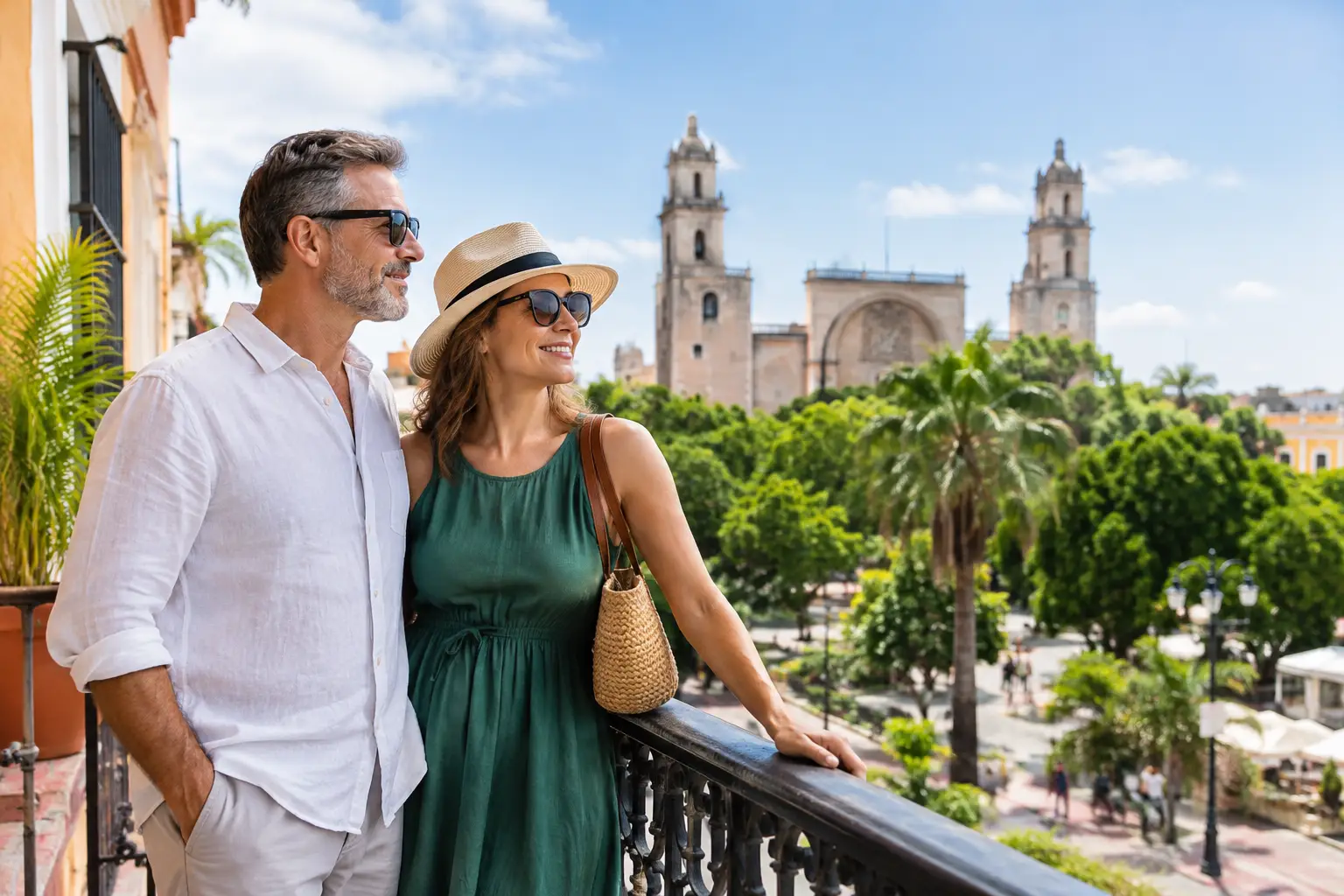
A Mérida address can change the texture of your daily life more than almost any other choice you make before moving. One neighborhood may put morning coffee, markets, and evening walks outside your door. Another may offer newer homes, easier parking, and a shorter drive to schools or medical care. The best neighborhoods in Merida for expats are not a single list with one right answer. They depend on how you want to live once the moving boxes are gone.
Mérida is also a city of real contrasts. Historic streets can be lively and beautiful, but also noisy, hot, and less accessible. Newer northern developments can feel convenient and familiar, but may require a car and offer less of the spontaneous street life many people come to Mexico hoping to find. A short-term rental before signing a long lease is often the clearest way to understand the trade-off.
How to choose the best neighborhoods in Mérida for expats
Start with your ordinary week, not your vacation version of Mérida. Consider where you will buy groceries, see a doctor, work, take your dog, meet friends, and spend a humid afternoon in August. If you are moving with children, school routes and outdoor space may matter more than being near a restaurant district. If you work remotely, reliable internet, a quiet room, and backup power planning may belong at the top of the list.
Mérida is generally more spread out than first-time visitors expect. Walkability can vary block by block, sidewalks may be uneven, and summer heat makes even a pleasant 15-minute walk feel very different at 2 p.m. If you are disabled, have limited mobility, or simply want to age in place comfortably, inspect curb cuts, sidewalk surfaces, stairs, parking, and access to everyday services in person. Older homes can be full of character but are not automatically easy to navigate.
Belonging matters, too. English-speaking newcomers come from many backgrounds, including Black families, Mexican Americans returning or reconnecting with heritage, LGBTQ+ households, people of color, multiracial families, and retirees with different comfort levels around language and community. No neighborhood can promise a universal experience, but spending time in local businesses, learning Spanish, and choosing a place where your routine feels natural can make a meaningful difference.
Centro: historic, walkable, and full of daily life
Centro is what many people picture when they imagine living in Mérida: colonial facades, leafy plazas, markets, museums, neighborhood bakeries, and homes with high ceilings and interior courtyards. It is a large area, not one uniform neighborhood. The experience near Santa Lucía or Santa Ana can feel very different from the experience farther south or west.
For people who value walking, culture, and a home with personality, Centro can be a strong fit. You can often reach restaurants, galleries, language schools, parks, and community events without getting in a car. It is also a practical choice for people who want to meet neighbors and build a life that is connected to the city rather than centered on a gated community.
The trade-offs are real. Renovated homes can be expensive, while lower-priced rentals may need repairs or have older plumbing, limited storage, street noise, or inconsistent internet. Some blocks are quiet; others host late-night traffic, celebrations, or construction. Flooding after heavy rain is worth asking about, particularly on streets you are considering during the dry season.
Santa Ana and Santa Lucía
These adjacent Centro areas appeal to people who want cafés, restaurants, galleries, and an active social scene close by. They are popular with visitors and international residents, which can make the transition easier for new arrivals. That popularity also means higher rents, more tourism, and fewer bargains than people sometimes expect.
Choose this area if you want to be able to walk out your door and feel part of the city quickly. Look elsewhere if you need quiet nights, a large yard, or easy off-street parking.
Santiago and La Ermita
Santiago has a lively market, a well-used park, and a more residential feel than the busiest parts of Centro. It can offer a grounded neighborhood rhythm while still being close to central amenities. La Ermita, farther south, is quieter and known for its beautiful streets and slower pace.
Both areas may suit people who want Centro character without being in the middle of its busiest visitor zones. Still, amenities are less concentrated than in Santa Ana, and the farther you are from the core, the more a bike, scooter, or car may help.
García Ginerés and Itzimná: established, central, and calmer
García Ginerés sits just west of Centro and has long been valued for its broad streets, mature trees, and residential atmosphere. It offers a middle ground for people who want more space and a quieter home base without moving far from central Mérida. Some properties are older and spacious, while newer apartments are increasingly available nearby.
Itzimná, northeast of Centro, is another established area with a calmer, more residential feel. It is close enough to reach many central destinations easily, yet it is better suited to people who prefer a neighborhood routine over tourist activity. These areas can work well for retirees, professionals, and households that expect to use a car sometimes but do not want to live entirely in the north.
The main consideration is property condition. Older homes may be charming but require careful review of air conditioning, water pressure, drainage, roofing, electrical systems, and pest control. A beautiful first visit should not replace a practical inspection.
North Mérida: convenience, newer homes, and car-based living
When people say they are moving to “the north,” they usually mean a broad collection of neighborhoods and developments stretching toward Altabrisa, Montebello, Temozón Norte, Cholul, and beyond. This part of the city is popular with Mexican families, professionals, and international residents who want newer construction, shopping, private hospitals, gyms, and easier access to major roads.
Altabrisa and Montebello
Altabrisa and Montebello are established north-side choices with convenient access to services. They are often appealing for families, people who prioritize nearby health care, and anyone who appreciates being close to supermarkets and daily errands. Housing ranges from apartments to larger houses, though prices vary significantly by street and building.
These neighborhoods can feel easier for newcomers who want predictable conveniences. The trade-off is that most daily life is car-oriented. A map may show restaurants and stores nearby, but summer heat and road design can make walking impractical.
Temozón Norte and Cholul
Temozón Norte and Cholul have grown quickly, with newer condos, private communities, and homes that may offer more space for the price than central areas. They are common choices for remote workers, families, and buyers looking for modern layouts, pools, or home offices.
Growth brings benefits and complications. Construction noise, changing traffic patterns, and unfinished surrounding infrastructure are common in fast-developing areas. Ask how long the commute takes at the times you will actually travel, and do not assume every development has the same water, internet, drainage, or road access.
A practical way to narrow your search
Before committing, choose two or three areas that represent different versions of the life you want. Spend several days in each one, ideally including a weekday, a weekend evening, and a rainy afternoon if possible. Test your phone signal, internet options, grocery route, parking, and the noise level inside the home.
For rentals, clarify what is included before you send money. Electricity costs can rise sharply with heavy air conditioning use, and pools, gardening, water delivery, internet, and maintenance are not always included in the monthly price. For purchases, take time to understand the property’s legal status and the process for buying in Mexico with qualified local guidance.
You do not need to choose the perfect neighborhood before you arrive. You need a first home that supports your routine, your budget, and your peace of mind while you learn the city. Hola Movers helps people approach choices like these with local context and a calmer plan, because your move to Mexico should feel clear enough to make room for the life you came to build.